
How to Clean Stainless Steel: The Right Way to Keep It Shining
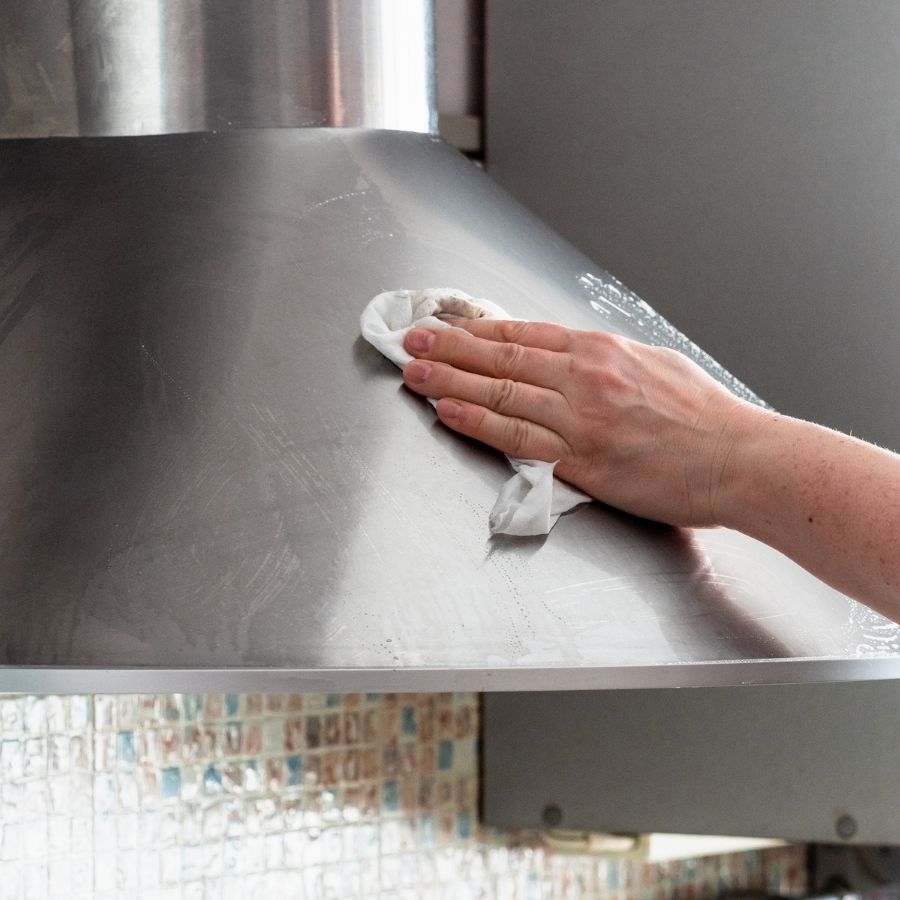
Home Home Care · Cleaning Guide How to Clean Stainless Steel: The Right Way to Keep It Shining Stainless steel is beautiful — until fingerprints, grease, and water spots take over. Here’s exactly how to clean it without scratching or corroding the finish. 📅 June 6, 2025 ⏱ 5 min read ✍️ Editorial Team Stainless steel isn’t actually stainless — it just resists stains better than ordinary metals. Keeping it looking its best comes down to using the right materials, wiping in the right direction, and knowing when to go beyond a quick wipe-down. 2 min Typical basic clean time $0 Cost using pantry staples 3× Longer shine with oil finishing Before You Start: The Golden Rule of Stainless Steel Every stainless steel surface has a grain — a subtle directional pattern of fine lines created during manufacturing. The single most important rule when cleaning stainless steel is to always wipe in the direction of that grain, never against it. Wiping across the grain pushes grime into the texture and creates fine scratches that dull the finish over time. To find the grain, look at the surface at an angle under bright light — you’ll see it clearly. 💡 Pro tip: Always use soft microfiber cloths or non-abrasive sponges. Steel wool, rough scrubbers, and abrasive pads will scratch the surface permanently — even on heavy-duty appliances. Method 1: Basic Cleaning (Fingerprints, Smudges & Dust) For everyday maintenance — fingerprints on your refrigerator, smudges on a sink, or dust on a countertop — a simple warm-water wipe is all you need. What You’ll Need Microfiber cloth Warm water Mild dish soap (optional) Steps 1 Wipe with warm water. Dampen a microfiber cloth with warm water and wipe along the grain of the steel. This handles most everyday smudges without any cleaner. 2 Add dish soap for greasy residue. Mix a few drops of mild dish soap into warm water. Wipe the surface following the grain, then rinse with a clean damp cloth to remove all soap residue. 3 Dry immediately. Use a dry microfiber cloth to wipe the surface dry right away. Don’t let water sit — even clean water leaves spots on stainless steel as it evaporates. Method 2: Deep Cleaning & Restoring Shine When basic cleaning isn’t enough — heavy grease buildup, dried-on residue, or a surface that’s lost its luster — these household staples will bring it back to life. What You’ll Need White vinegar Olive oil or mineral oil Baking soda Microfiber cloths Commercial SS cleaner (optional) Steps 1 Degrease with white vinegar. Spray undiluted white vinegar directly onto the surface. Let it sit for 30–60 seconds to cut through grease, then wipe with a soft cloth following the grain direction. The mild acidity dissolves buildup without damaging the steel. 2 Polish with oil. Put a small amount of olive oil or mineral oil on a clean cloth and buff the surface in the direction of the grain. This step restores the original shine and leaves a thin protective layer that repels future fingerprints and smudges. 3 Tackle stubborn stains with baking soda. Make a thick paste by mixing baking soda with a small amount of water. Apply it to the stain and gently rub with a soft cloth in the direction of the grain only. Rinse thoroughly with clean water and dry right away. Pro Tips for Long-Lasting Results These habits will keep your stainless steel surfaces looking newer for longer: Clean regularly A quick wipe-down every few days prevents buildup that requires harsher cleaning later. Thirty seconds of maintenance beats thirty minutes of scrubbing. Dry after every wash Water spots are the most common complaint with stainless steel. Always finish with a dry cloth — it takes ten extra seconds and makes a huge difference. Finish with oil A thin coat of mineral oil after deep cleaning creates a protective barrier against fingerprints and moisture. Reapply every few weeks for best results. Avoid the wrong products Never use bleach, steel wool, or abrasive scrubbers. They damage the passive layer that makes stainless steel resistant to rust and corrosion. What Never to Use on Stainless Steel Using the wrong product can permanently damage your surfaces. Here’s a quick reference: Product / Material Safe to Use? Why Microfiber cloth ✔ Yes Soft, non-abrasive, lifts grime without scratching White vinegar ✔ Yes Mild acid that cuts grease safely Mineral or olive oil ✔ Yes Polishes and adds a protective coating Mild dish soap ✔ Yes Effective on grease, rinses clean Bleach / chlorine cleaners ✘ Never Destroys the protective oxide layer, causes pitting and rust Steel wool / abrasive pads ✘ Never Scratches the surface and leaves iron particles that rust Oven cleaner ✘ Never Highly caustic — will stain and corrode the finish Wiping against the grain ✘ Never Causes fine scratches that dull the surface permanently Frequently Asked Questions Can I use bleach to clean stainless steel? No. Bleach and chlorine-based cleaners will corrode stainless steel and permanently damage its protective finish. Always reach for mild dish soap, white vinegar, or a cleaner specifically labeled for stainless steel. How do I remove rust spots from stainless steel? Light rust can often be lifted with a baking soda paste — mix it to a thick consistency, apply with a soft cloth following the grain, let it sit for a few minutes, then rinse and dry. For heavier rust, a commercial stainless steel rust remover is the safer option. Why do I need to clean in the direction of the grain? The grain consists of microscopic directional lines in the steel’s surface. Wiping against them pushes debris into the texture and creates fine scratches that dull the finish over time. Always wipe parallel to those lines. How often should I clean my stainless steel appliances? For kitchen appliances and sinks, a light wipe-down every two to three days keeps smudges from building up. A deeper clean with vinegar and an oil polish every few weeks will maintain
Is Tempered Glass Safe? Everything You Need to Know
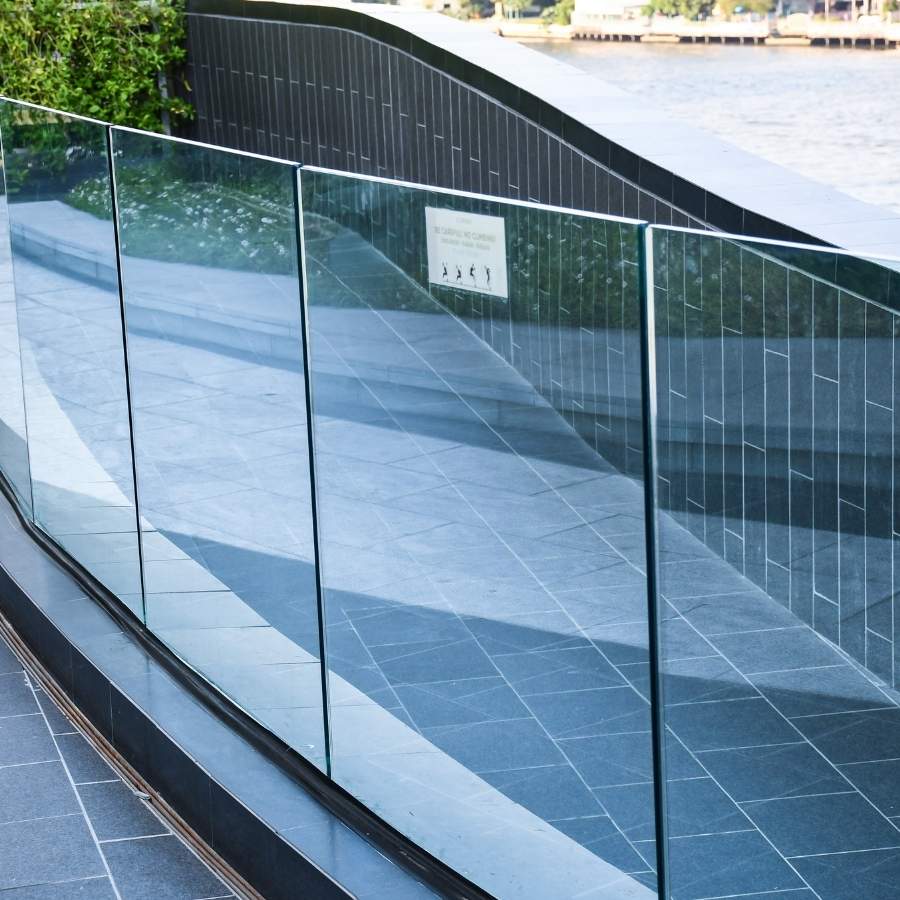
Home Glass Safety · Materials Is Tempered Glass Safe? Everything You Need to Know Tempered glass is one of the most widely used safety materials in the world. Learn what makes it so strong, how it behaves when it breaks, and where it’s used every day. 📅 June 6, 2025 ⏱ 6 min read ✍️ Editorial Team Tempered glass is hiding in plain sight all around you — in your car windows, shower door, phone screen, and oven. But what actually makes it safe? And when, if ever, should you be cautious about it? 4–5× Stronger than standard glass 300°C Max heat resistance (572°F) 100% Of vehicles use safety glass What Is Tempered Glass and How Is It Made? Tempered glass — also called toughened safety glass — is produced through a controlled thermal process. Standard glass is heated to temperatures above 1,100°F (600°C) and then rapidly cooled with blasts of cold air. This “tempering” creates internal compression stresses that give the glass its exceptional strength. Unlike ordinary annealed glass, tempered glass cannot be cut, drilled, or modified after the tempering process. Any shaping must be done beforehand — once tempered, any attempt to alter it will cause it to shatter instantly. 💡 Key fact: Tempered glass is officially classified as “safety glass” under international standards including ANSI Z97.1 (United States) and EN 12150 (Europe), which define minimum performance requirements for breakage behavior. Why Is Tempered Glass Considered Safe? There are four core reasons why tempered glass is the go-to choice for safety-critical applications: Superior Strength It withstands 4 to 5 times more force than standard glass against impact, pressure, and mechanical stress. Safe Breakage Pattern When it does break, it shatters into small, blunt pebble-like pieces — not jagged shards — drastically reducing the risk of serious cuts. Heat Resistance Handles temperatures up to 480–572°F (250–300°C) and sudden thermal changes without cracking — ideal for kitchens and hot climates. Meets Safety Standards Its production and application are governed by strict safety codes in construction, automotive, and consumer electronics industries. Where Is Tempered Glass Used? Thanks to its strength and predictable breakage behavior, tempered glass appears in a wide range of everyday and industrial applications. The most common include: Car side and rear windows Shower doors and enclosures Glass furniture and tabletops Commercial building facades Smartphone screen protectors Oven and appliance doors Glass railings and balustrades Retail display cases and counters In the automotive industry, federal regulations require that side and rear windows be made from tempered glass, while windshields use laminated glass (another form of safety glass) that holds together as a unit even after a severe impact. Tempered Glass vs. Regular Glass: A Side-by-Side Comparison Here’s how tempered glass stacks up against standard annealed glass across the most important performance categories: Feature Tempered Glass Regular Glass Impact resistance ✔ 4–5× greater ✘ Standard Breakage type ✔ Small, blunt pebbles ✘ Sharp, dangerous shards Heat resistance ✔ Up to 572°F (300°C) ✘ Up to ~160°F (70°C) Thermal shock resistance ✔ High ✘ Low Can be cut after production ✘ No ✔ Yes Meets safety certifications ✔ Yes ✘ Not always Limitations and Precautions to Keep in Mind While tempered glass is significantly safer than conventional glass, there are a few important limitations worth understanding: Spontaneous Breakage In very rare cases, tempered glass can shatter on its own with no apparent impact. This is typically caused by nickel sulfide inclusions — microscopic impurities that form during the manufacturing process. Quality manufacturers use an additional procedure called a heat soak test to minimize this risk, though it cannot be fully eliminated. Not Indestructible Tempered glass is tougher, but it’s not unbreakable. A hard, concentrated impact — such as a sharp or pointed heavy object — can still shatter it. For applications requiring intruder resistance, laminated or composite security glass is the better choice. Cannot Be Modified After Tempering All cutting, drilling, and edge work must be completed before the tempering process. Any attempt to modify tempered glass afterward will cause it to break immediately and completely. ⚠️ Important: For applications where resistance to forced entry or high-velocity impacts is required, laminated glass is the recommended option. It holds its fragments together via a PVB (polyvinyl butyral) interlayer even after breaking. Frequently Asked Questions About Tempered Glass Is tempered glass completely shatterproof? No. Tempered glass is far more resistant than ordinary glass, but it can still break under sufficient force. Its main advantage isn’t that it won’t break — it’s that when it does, it breaks into small, blunt fragments instead of dangerous shards. Is tempered glass better than laminated glass? It depends on the application. Tempered glass is stronger under pressure and heat. Laminated glass holds its fragments in place after breaking due to its PVB interlayer, making it the preferred choice for windshields and ballistic-resistant glazing. Can I use tempered glass in my shower? Yes — and it’s actually the recommended option. Shower enclosures made with tempered glass at least ¼ inch (6 mm) thick meet the safety standards for wet areas and are required by building codes in most U.S. jurisdictions. Is tempered glass more expensive than regular glass? Generally, yes. The tempering process adds to the cost, but so does its durability and safety profile. For areas where safety matters, the added investment is well worth it. How can I tell if glass is tempered? Certified tempered glass will have a small etched or printed stamp indicating the applicable standard (such as ANSI Z97.1 or CPSC 16 CFR 1201). You can also spot it with polarized sunglasses — tempered glass shows a distinctive stress pattern of dark spots or lines that annealed glass does not. Bottom Line: Tempered Glass Is a Smart, Safe Choice Tempered glass is one of the safest and most versatile materials available. Its enhanced impact resistance, controlled breakage pattern, and thermal tolerance make it the top pick for vehicles, bathrooms, commercial buildings, and kitchen appliances. While it’s not indestructible, its performance advantages over